

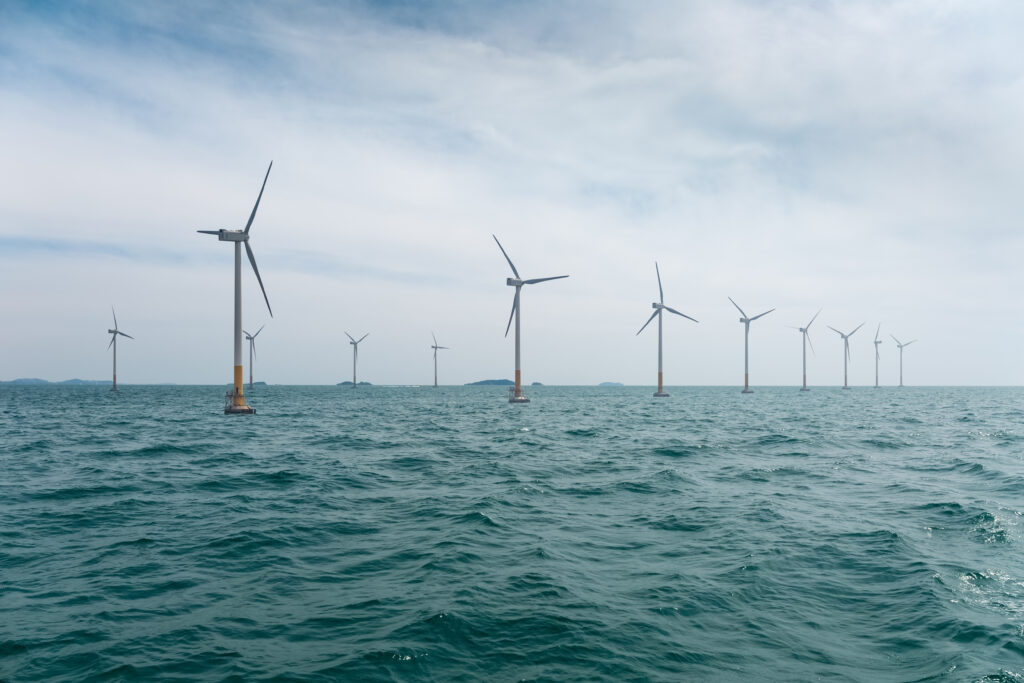
When it comes to wind energy, both onshore and offshore wind farms play crucial roles in generating clean electricity, each with its unique set of advantages and disadvantages. Understanding the characteristics of each type helps policy makers, companies, and investors make informed decisions as the push for renewable energy sources increases globally.
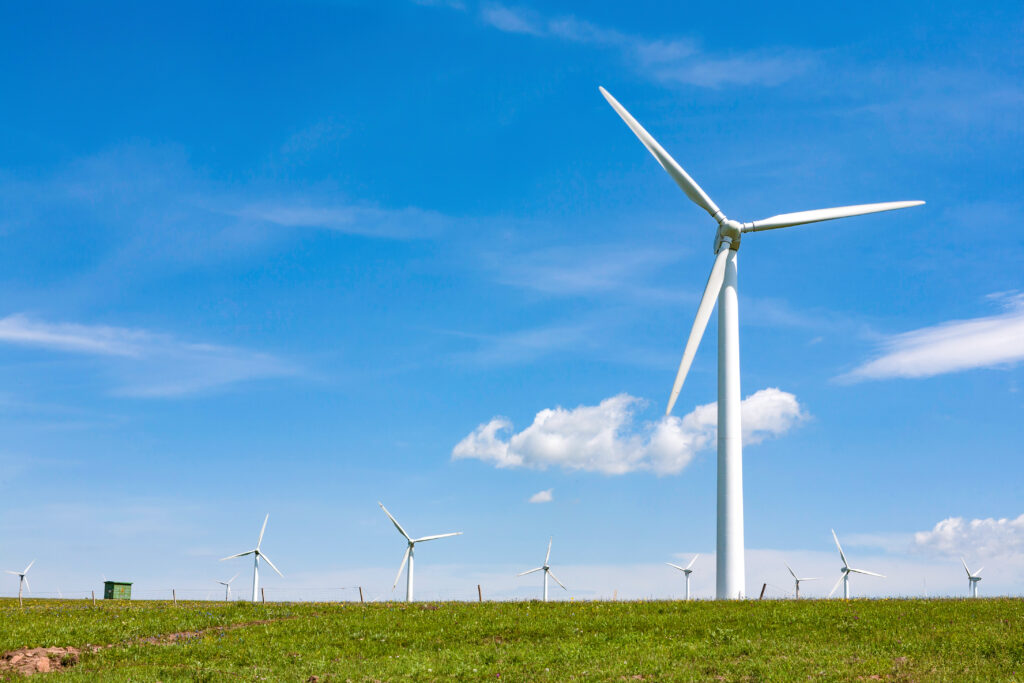
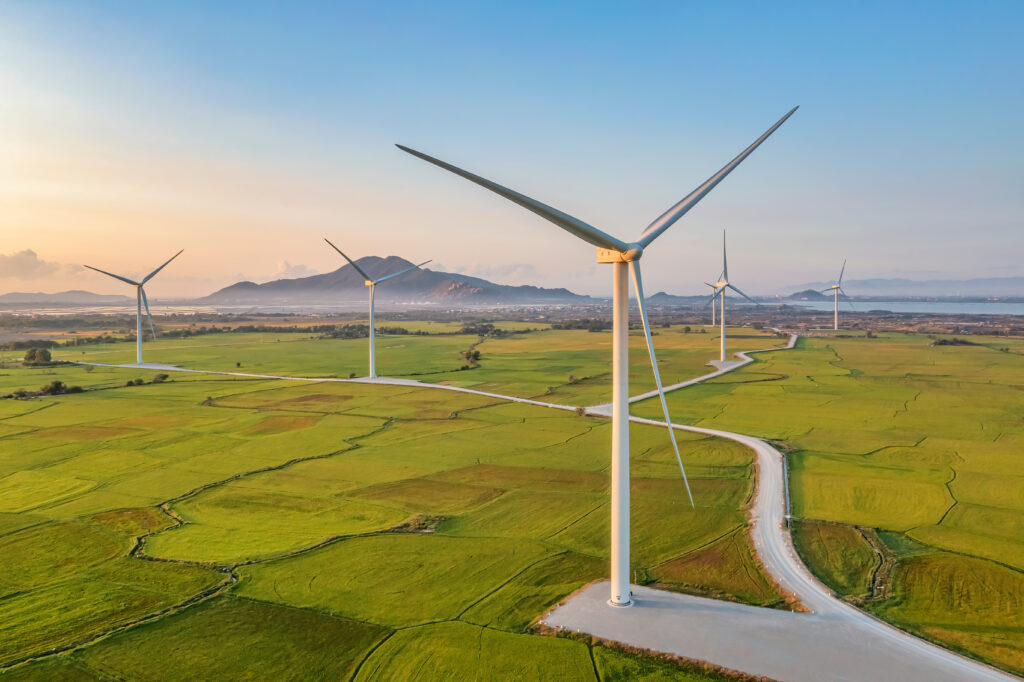
Onshore Wind Farms
Advantages
- Cost-Effectiveness: Onshore wind farms are generally cheaper to construct and maintain than Offshore Wind Farms. The lower costs associated with site access, construction, and logistics make them appealing for immediate investments.
- Familiar Technology: The technology used in onshore wind farms is well-established and continuously improving, leading to higher efficiency and reliability as well as lower risks during implementation.
- Photogenic Locations: Onshore wind farms are often strategically placed in areas with consistent winds, maximizing efficiency and energy production. This can provide local job growth and economic benefits through energy sales.
- Land Use Flexibility: Onshore wind projects can coexist with agricultural land, providing dual land use benefits. This enables farmers to maintain agricultural activities while generating additional income through lease agreements for wind turbines.
Disadvantages
- ** Aesthetic Concerns**: Protests about the visual and noise impacts of wind turbines can occur locally, affecting community acceptance of onshore projects.
- Land Acquisition: Securing necessary land can introduce hurdles, with land costs and community opposition potentially delaying projects.
- Wildlife Impact: Installation of turbines can disrupt local wildlife, particularly birds and bats, which can be a significant environmental concern that complicates development.
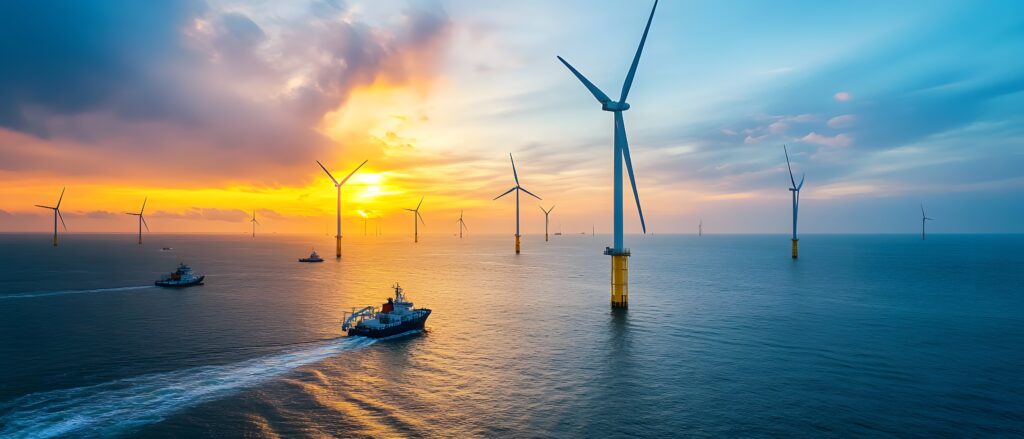
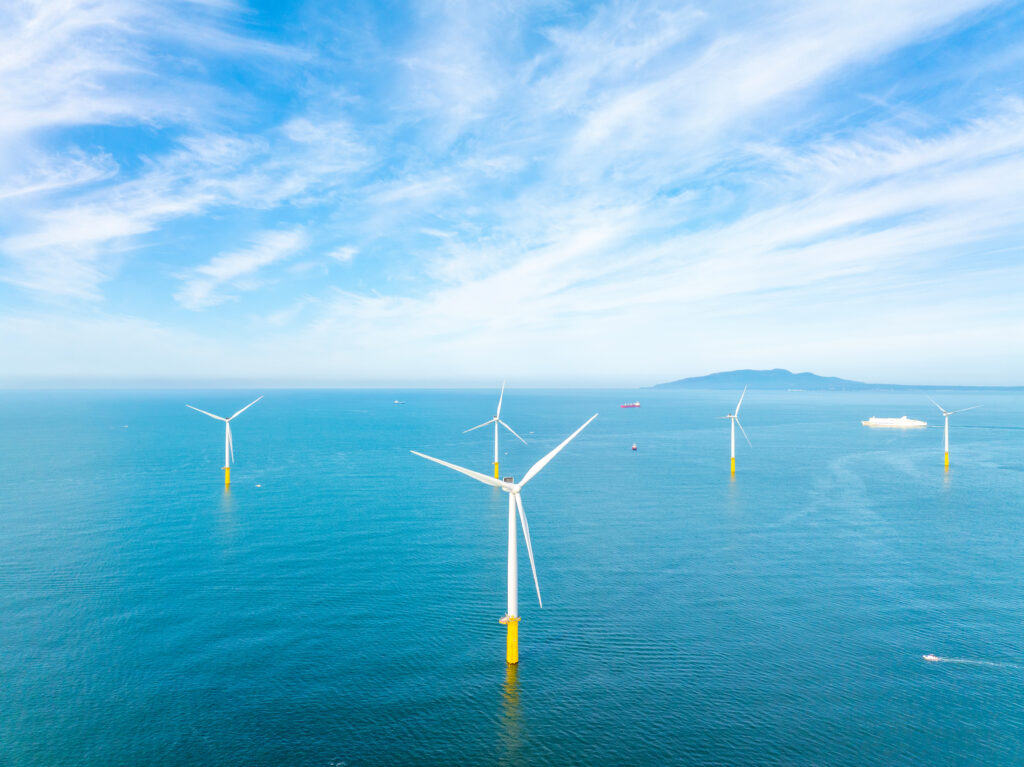
Offshore Wind Farms
Advantages
- High Energy Output: Offshore wind farms benefit from stronger and more consistent wind speeds than onshore sites, leading to more electricity production and a higher capacity factor.
- Reduced Aesthetic Impact: Offshore Wind Farms are typically located far enough from shore to minimize visibility issues, which can increase local approval for development.
- Space Availability: The ocean provides abundant space for large-scale wind power generation without competing for land with agricultural and residential use.
- Environmental Benefit: Offshore Wind Farms is often seen as a cleaner alternative, as it generally has less effect on human populations and wildlife when well-designed.
Disadvantages
- High Initial Costs: Offshore wind farms typically involve high capital costs due to the complexity of construction and maintenance in marine environments. Infrastructure for transport, installation, and operation can significantly increase investment needs.
- Technological Challenges: Operating in a marine environment presents unique challenges, including corrosion from saltwater, and the need for specialized vessels to perform maintenance.
- Logistical Issues: Transportation and installation of turbines at sea can be logistically challenging, often requiring advanced planning to avoid delays from weather or sea conditions.
- Marine Animal Disruption: Construction and operational noise can disturb marine life, which requires careful planning to mitigate impacts on fish and other aquatic species.
Conclusion
The choice between onshore and offshore wind farms must consider various factors including financial constraints, project timelines, community acceptance, and environmental impacts. Onshore wind farms offer a cost-effective and familiar means of harnessing wind energy, while offshore wind projects promise higher outputs and less visual impact at the cost of higher initial investments.
Investing in both technologies can yield a diversified approach to renewable energy generation, maximizing efficiency while minimizing potential downsides. As the energy sector continues to evolve, the blend of onshore and offshore wind energy will play a pivotal role in achieving sustainable energy goals worldwide.
Effective policy support and technological innovation are essential to overcoming challenges and promoting growth in the wind energy sector. Incentives like Feed-in Tariffs (FiTs), Renewable Portfolio Standards (RPS), and Production Tax Credits (PTCs) encourage invest
ment and development. Government funding for research and development helps reduce costs and improve grid integration, making wind power more competitive with traditional energy sources.
Technological advancements are transforming the wind energy market. Larger, more efficient turbines, especially offshore models with capacities of 15-20 MW, and floating wind farms will expand accessible resources. AI and machine learning improve predictive maintenance and operational efficiency, while energy storage solutions address intermittency, stabilizing wind power supply.
The wind energy market is expected to grow significantly, with projected annual growth rates between 8.5% and 11.5% over the next decade. Rising electricity demand, falling costs, expanding offshore capacity, and stronger clean energy commitments are driving this expansion. Hybrid systems and diversified energy mixes will enhance market resilience.
As the wind energy landscape evolves, stakeholders must stay adaptable to regulatory shifts, technological progress, and market changes. Continued investment in innovation and supportive policies will reinforce wind energy’s role in combating climate change and ensuring global energy security. This flexibility is key to sustainable growth.
For Further Detail
https://www.renewableenergyworld.com/
 English
  اردو
اردو
Leave a Reply